BEE Registration for Washing Machines in 2025: Documents, Process, Fees, and Compliance Guide
Page Contents (15)
BEE registration for washing machines is mandatory for every manufacturer, importer and brand owner. Especially who wants to sell m achines under the star labelling programme in India. The Bureau of Energy Efficiency (BEE) verifies test reports and model data before granting registration, and only models with valid registration can carry the BEE label
Why the rule exists
Washing machines use electricity every day. Energy efficient machines save power and reduce bills. The BEE label helps buyers compare models quickly. It pushes makers to improve design and reduce consumption. Governments also meet climate goals when appliances use less energy.
Which machines fall under the scheme
The rule covers semi-automatic, top-load and front-load domestic washing machines. Small commercial storage washers that match the schedule may also be included. Both single-phase and other rated models follow the testing and labelling norms in the schedule.
BEE Registration for Electric Geysers or Stationary Storage Type Electric Water Heater
Get Free Consultation!
Who must apply
- Manufacturers who make washing machines in India.
- Importers who bring models for sale.
- Brand owners who market the models under their label.
Each model needs separate registration. A company must register its brand first, then each model.
Key documents you must prepare
Prepare clear scanned copies before you start. The usual list is:
- Company registration or incorporation proof.
- GST registration and PAN.
- Factory address proof or importer invoice.
- Product test report from a NABL accredited lab.
- Model specification sheet with model number and capacity.
- User manual and label specimen.
- Declaration of conformity signed by authorised person.
BEE may ask for originals during inspection, so keep them ready.
Testing standards and labs
BEE accepts test reports from NABL accredited labs only. Tests follow the washing machine schedule and international test norms such as IEC 60456 for wash performance. The lab measures energy use in standard programmes, standby power and wash/rinse performance. Use a lab that knows BEE formats to avoid rework
Step-by-step process in 2025
- Register your company and brand on the BEE portal.
- Book tests and get a NABL test report on the production model.
- Fill the online application model-wise. Upload reports and docs.
- Pay the prescribed registration and labelling fee online.
- BEE will scrutinize the file and may ask clarifications.
- Inspectors may visit factory or warehouse for verification.
- On approval, BEE issues a registration number and certificate.
Post approval, use the registration number on labels and listings.
BEE Registration for Frost Free or No-Frost Refrigerators in 2025
Fees and timeline you can expect
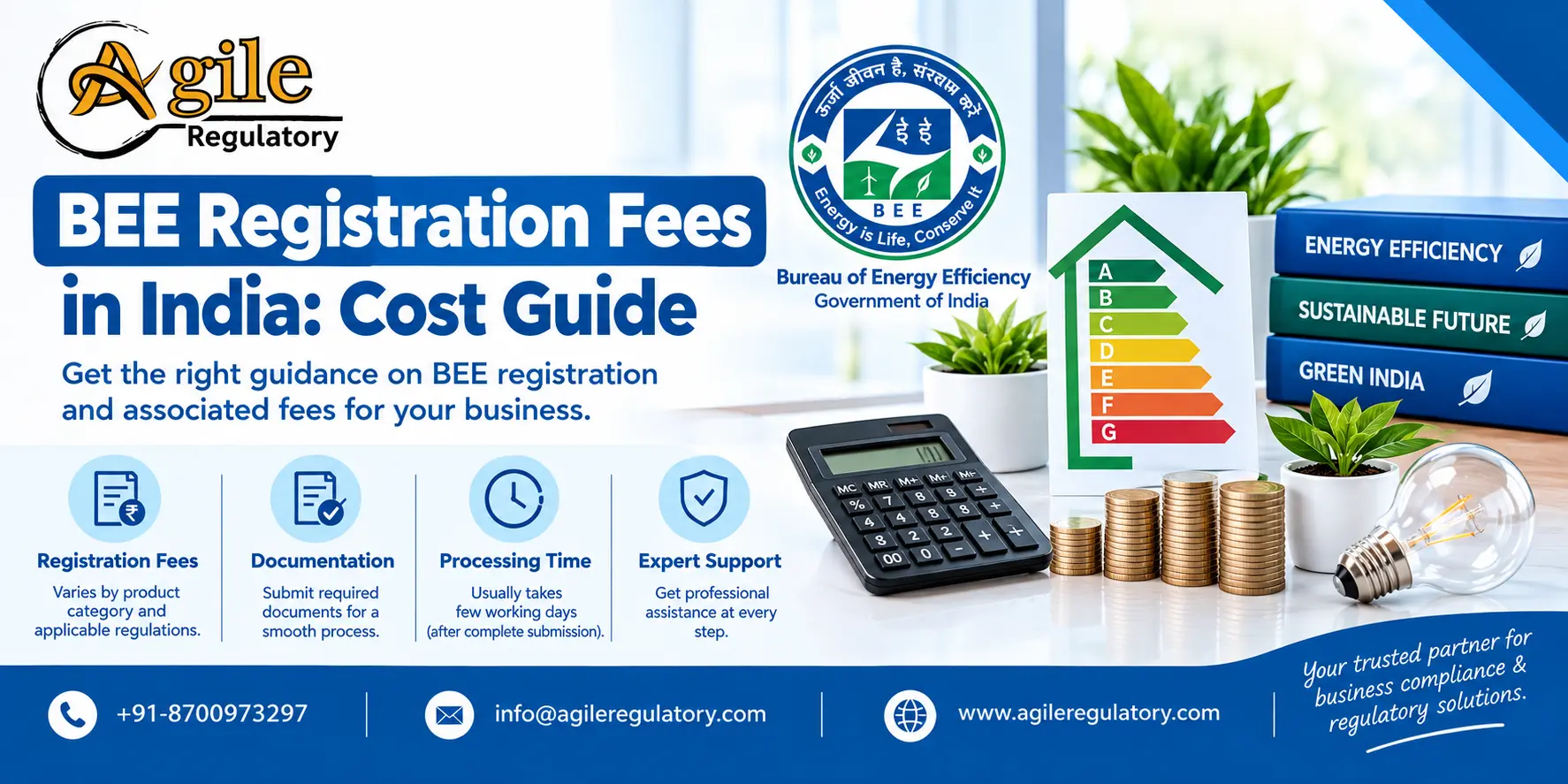
Fees include brand registration fee, model registration fee and label fee. Labs charge testing fees separately. Fee slabs vary by product class and number of models. In recent updates vendors report a range of payments depending on company size and models, see latest circular before you pay. Typical turnaround for straightforward cases is 4–8 weeks, tests and inspections add time.
Labelling and post-registration duties
After approval you must put the BEE star label on the product and outer carton. The label shows star rating, registration number and annual energy consumption. Producers must keep production records and report numbers to BEE at intervals. If you change a major component, you must inform BEE and may need fresh testing.
Common causes of rejection
Applications fail when: the test report is from a non-NABL lab, model numbers do not match, documents are incomplete, or lab samples differ from production units. Check each document carefully before upload. A small mismatch can delay approval for weeks.
Practical tips to speed approval
- Test the exact production model, not a prototype.
- Use a NABL lab experienced with BEE.
- Keep model numbers identical across files.
- Upload clear, signed scans.
- Respond quickly if BEE asks for extra data.
These steps cut rework, and save time.
Penalties for non-compliance
Selling unregistered washing machines or using false star labels can cause fines, product seizure and delisting from the programme. Customs may detain unregistered imports. Repeat violations attract higher penalties and loss of market trust.
Record keeping and audits
Keep test reports, production logs, invoices and label proofs for several years. BEE may audit any time. Maintain batch records and serial logs for quick checks. Good records reduce friction during inspections.
2025 updates to note
BEE moved many steps online and now accepts digital lab reports via the portal. QR codes are more common on labels for quick verification. Standards and test methods update periodically, so check BEE schedules before you test.
Final checklist before you submit
- Company and GST documents ready and signed.
- NABL test report matches model exactly.
- Label specimen with proposed placement.
- Payment done and receipt saved.
- Authorised signatory details match GST records.
Conclusion
BEE registration for washing machines is vital and detail heavy. Agile Regulatory guides you from start to finish. They help book NABL tests, prepare documents, file online and track inspections. With their help you avoid mistakes, save time, and get approval faster. Contact Agile Regulatory to begin your BEE registration process today, and focus on producing great machines.

About the Author
View ProfileNishi Chawla
Content Writer & Compliance Specialist
Nishi is an expert content writer with expertise in Business Legal Compliances, Certifications, and Registrations — BIS, EPR, Medical Devices, Cosmetics, Drugs, and Import Export. She holds a B.Com from the University of Delhi and has been writing industry content since 2019.