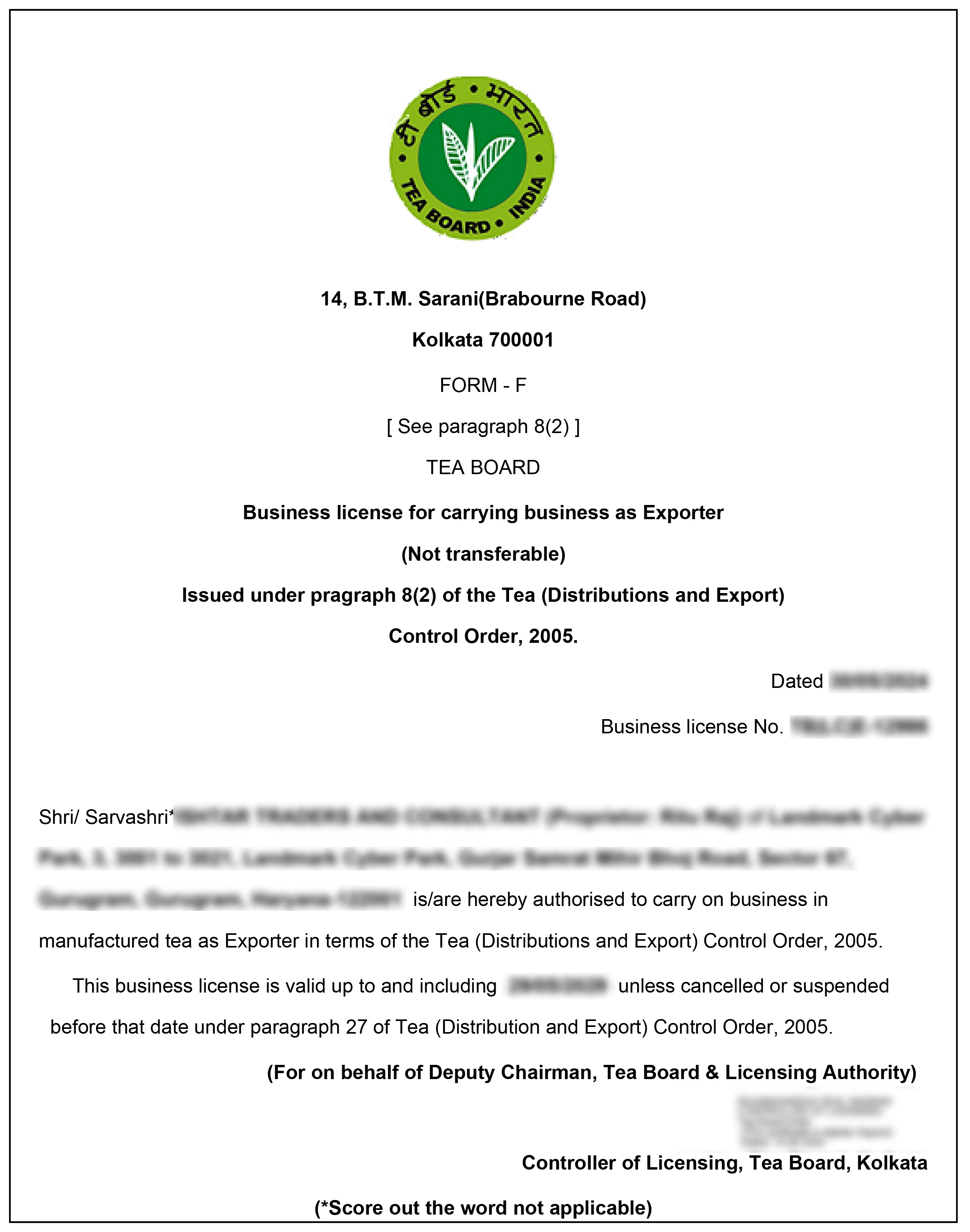
The Tea Board of India use a thorough quality control systems which support high standards both in tea manufacturing and export operations. The implemented quality control measures guarantee that Indian tea products meet all domestic safety regulations and international trade standards.
Regular Inspections: The Tea Board of India checks tea farms, factories, and storage units. It ensure they follow safety and hygiene rules. Inspectors look at:
- How tea leaves are handled and stored.
- If only approved pesticides and fertilizers are used.
- Cleanliness of factories and packaging areas.
- Whether labor laws and fair trade policies are followed.
Lab Testing: Tea samples from different farms and factories go through lab tests to meet quality standards. Tests include:
- Chemical Check: Looks for pesticide residue, heavy metals, and harmful chemicals
- Physical Check: Examines leaf size, moisture levels, and color
- Taste and Smell Test: Experts check flavor and aroma to ensure quality
Certification Programs: The Tea Board provides certification programs to maintain high standards. Some important ones are:
- India Organic Certification: Confirms the tea is grown without synthetic chemicals
- Geographical Indication (GI) Tags: Protects well-known tea types like Darjeeling, Assam, and Nilgiri
- ISO and HACCP Certifications: Ensures producers follow international safety and hygiene rules
Tracking System: To stop fraud and ensure quality, the Tea Board uses tracking systems, including:
- Unique Codes: Each tea batch gets a code for tracking from farm to store
- Export Records: Tea origin, processing, and sales details are properly documented
- QR Codes on Packs: Some brands use QR codes to let buyers check tea sources and quality