How to Get an EPR Certificate in Delhi: Step-by-Step Registration Guide

Page Contents (12)
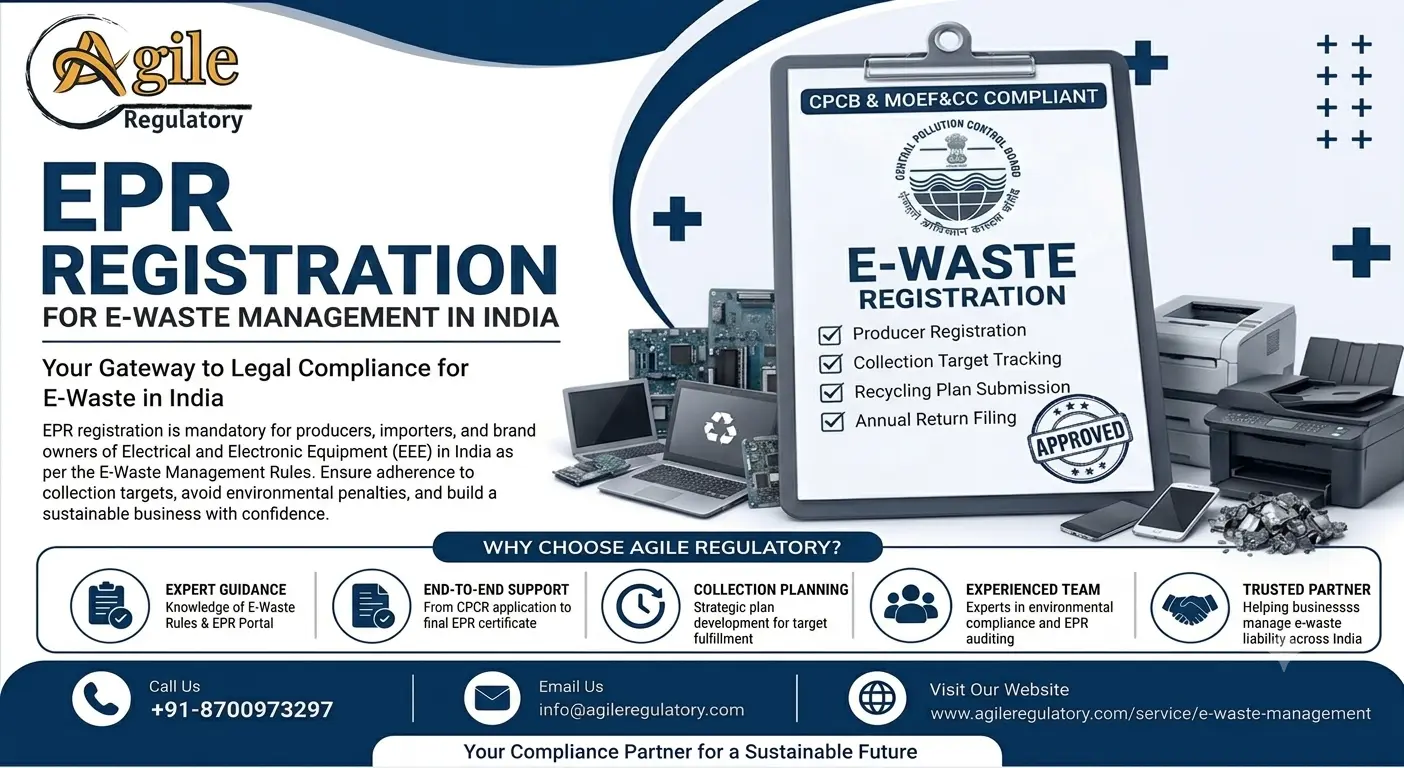
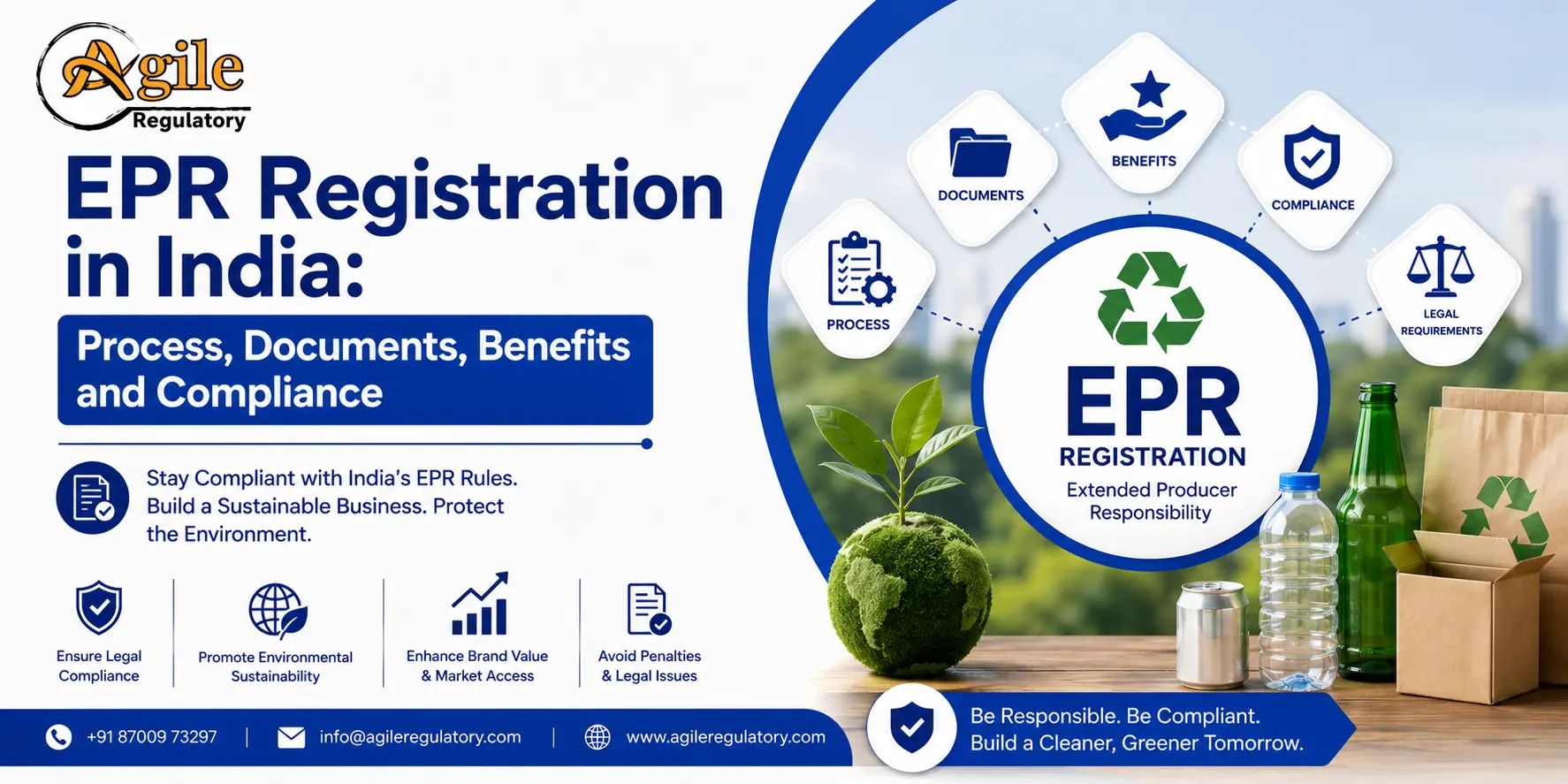
The EPR certificate is a legal permit. It is given by the Central Pollution Control Board (CPCB). In Delhi if a business makes or sells plastic, electronic or battery products. It must take back the waste from its products. This is known as Extended Producer Responsibility (EPR). To meet this duty, the business must apply for EPR registration. The EPR certificate proves that the business is following the waste rules.
Update for EPR Certificate Delhi NCR Registration
If your business operates in Delhi NCR and places plastic packaging, electronics or batteries into the market EPR certificate registration is no longer something you can treat lightly. In 2026, law enforcement in Delhi, Noida, Gurugram, Faridabad, and Ghaziabad is more organized and based on data.
You are required to register under the relevant EPR framework Plastic Waste, E-Waste or Battery Waste through the Central Pollution Control Board (CPCB) portal. What has changed is how closely your declarations are reviewed. Quantities placed on the market, category classification, and recycler linkages are now cross-verified. Errors that once went unnoticed are being flagged automatically.
For businesses in Delhi NCR this matters because inspections and clarifications are more frequent due to the region’s industrial concentration. Registration alone is not enough. Your EPR targets, documentation, and returns must remain consistent throughout the year.
Many companies face issues not because they avoid compliance, but because they misunderstand it.
EPR in Simple Terms
EPR stands for Extended Producer Responsibility. It is part of India’s waste control law. This law makes the producer responsible for collecting and recycling the waste from the products it puts in the market. If your company makes, imports or sells plastic, batteries or electronic items you must follow this law. The EPR certificate is a proof that you are managing waste properly
This rule helps protect the environment. It reduces land pollution. It also ensures safe recycling. In Delhi, many industries must follow EPR laws before they sell products.
Get Free Consultation!
Who Needs an EPR Certificate in Delhi?
You need an EPR Certificate in Delhi if your business belongs to one of the following types:
|
Business Type |
Required EPR Category |
|
Plastic manufacturers/importers |
|
|
E-waste product sellers/importers |
|
|
Battery producers/sellers |
|
|
Brand owners with packaged goods |
EPR for Plastic & E-waste |
If your company works with these products, you must register with CPCB or Delhi Pollution Control Committee (DPCC) as required.
Documents Needed for EPR Certificate Registration in Delhi
You will need these documents to apply:
- Company PAN card
- GST certificate
- Manufacturing license or Import Export Code (IEC)
- Product details with HSN codes
- Process Flowchart (for how waste is handled)
- Authorized signatory’s Aadhaar and PAN card
- Agreement with Recycler/PRO
- Past sales report or import documents
- Website details (if available)
Step-by-Step EPR Registration Process in Delhi
Step 1: Know Your Category
First, know which type of EPR you need — plastic, e-waste, or battery. Every type has a different form. Fill the right one.
Step 2: Gather Documents
Collect the documents mentioned above. Make sure they are correct and recent. Any wrong info can delay approval.
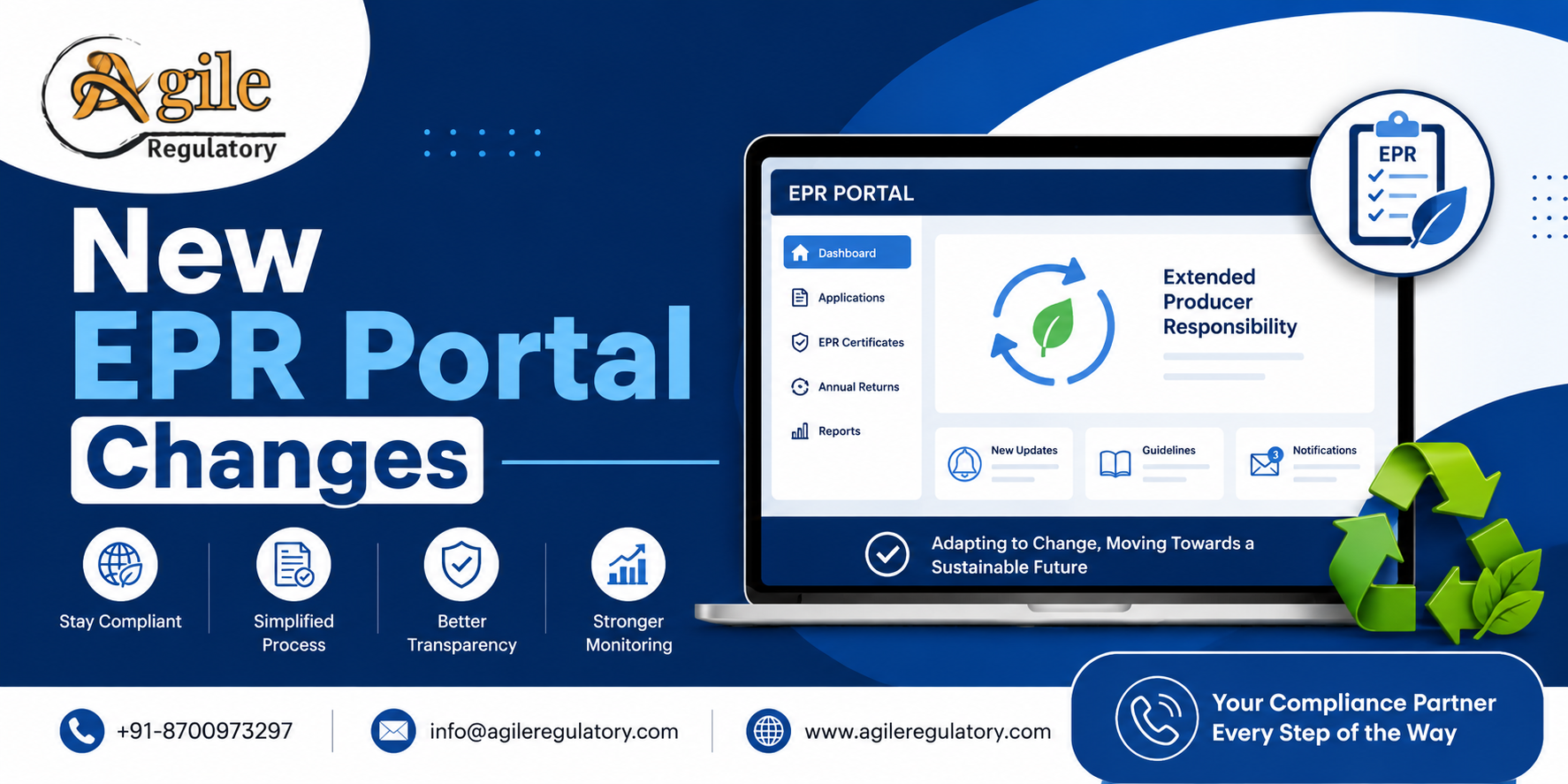
Step 3: Sign Up on the EPR Portal
Go to the official CPCB portal. Create your account. After signup fill in all the basic company details
Step 4: Submit the Application Form
Log in and upload all required documents. Submit your filled form and save the application number.
Step 5: Wait for Review
The CPCB or DPCC will review your application. If anything is missing they may ask for more documents. You must reply quickly.
Step 6: Certificate Issued
Once your details are approved by CPCB, you get your EPR certificate in a downloadable format.
Timeline for EPR Registration in Delhi
|
Step |
Time Taken (Approx.) |
|
Document Preparation |
2 to 4 working days |
|
Online Application Filing |
1 to 2 working days |
|
CPCB Review & Approval |
25 to 40 working days |
The whole process may take 3 to 6 weeks based on how quickly you respond to any queries from the CPCB.
What Are the Government Fees for EPR Registration?
The government fee depends on the EPR type and yearly turnover:
|
Turnover Slab (INR) |
CPCB Fee (Approx.) |
|
Below ₹1 Crore |
₹5,000 – ₹10,000
|
|
₹1–10 Crore |
₹10,000 – ₹20,000 |
|
Above ₹10 Crore |
₹25,000 – ₹50,000 |
This fee is for CPCB only. If your company is also listed with state boards like DPCC, other charges may apply.
Benefits of EPR Certificate in Delhi
1. Legal Compliance
You stay safe from penalties or legal notices.
2. Improved Brand Value
Shows your business cares about nature.
3. Better Market Access
Many tenders and buyers ask for companies that are EPR-compliant.
4. Trusted Business Image
Customers trust eco-friendly businesses more.
5. No Barriers in Trade
Customs clearance becomes smoother with valid EPR.
Who Can Obtain EPRs Registration? Why is EPR Registration Necessary
Penalties for Not Having an EPR Certificate
If your company sells plastic or electronic goods without an EPR certificate, you may face:
- Fines from CPCB or DPCC
- Ban on product sales
- Seizure of goods
- Legal notices
This can harm your business. So, it's better to register and comply.
EPR Certificate Validity and Renewal
The EPR certificate stays valid for one year. After that, you must renew it. For renewal:
- Submit new sales records
- Attach updated recycler agreements
- Update CPCB portal with proof of collection
Apply for renewal at least 30 days before expiry.
Why Delhi-Based Businesses Should Act Now
Delhi has strict rules. The pollution levels are high. To control it, the government watches industries more closely. If your business deals with plastic packaging, electric items, or batteries, you must act early. CPCB checks records and may visit your unit. So, don't wait for a notice.
Conclusion
Getting an EPR Certificate in Delhi can feel hard. The rules are detailed. The process takes time. But Agile Regulatory makes it easy. Our experts know the CPCB system well. We help you:
- Prepare documents
- Submit forms
- Answer CPCB queries
- Track approval status
We handle everything from start to end. You focus on your business — we handle compliance.
Get in touch with Agile Regulatory today.

About the Author
View ProfileNishi Chawla
Content Writer & Compliance Specialist
Nishi is an expert content writer with expertise in Business Legal Compliances, Certifications, and Registrations — BIS, EPR, Medical Devices, Cosmetics, Drugs, and Import Export. She holds a B.Com from the University of Delhi and has been writing industry content since 2019.