EPR Certificate for Import in 2026: Application Process and Requirements Explained
Page Contents (6)
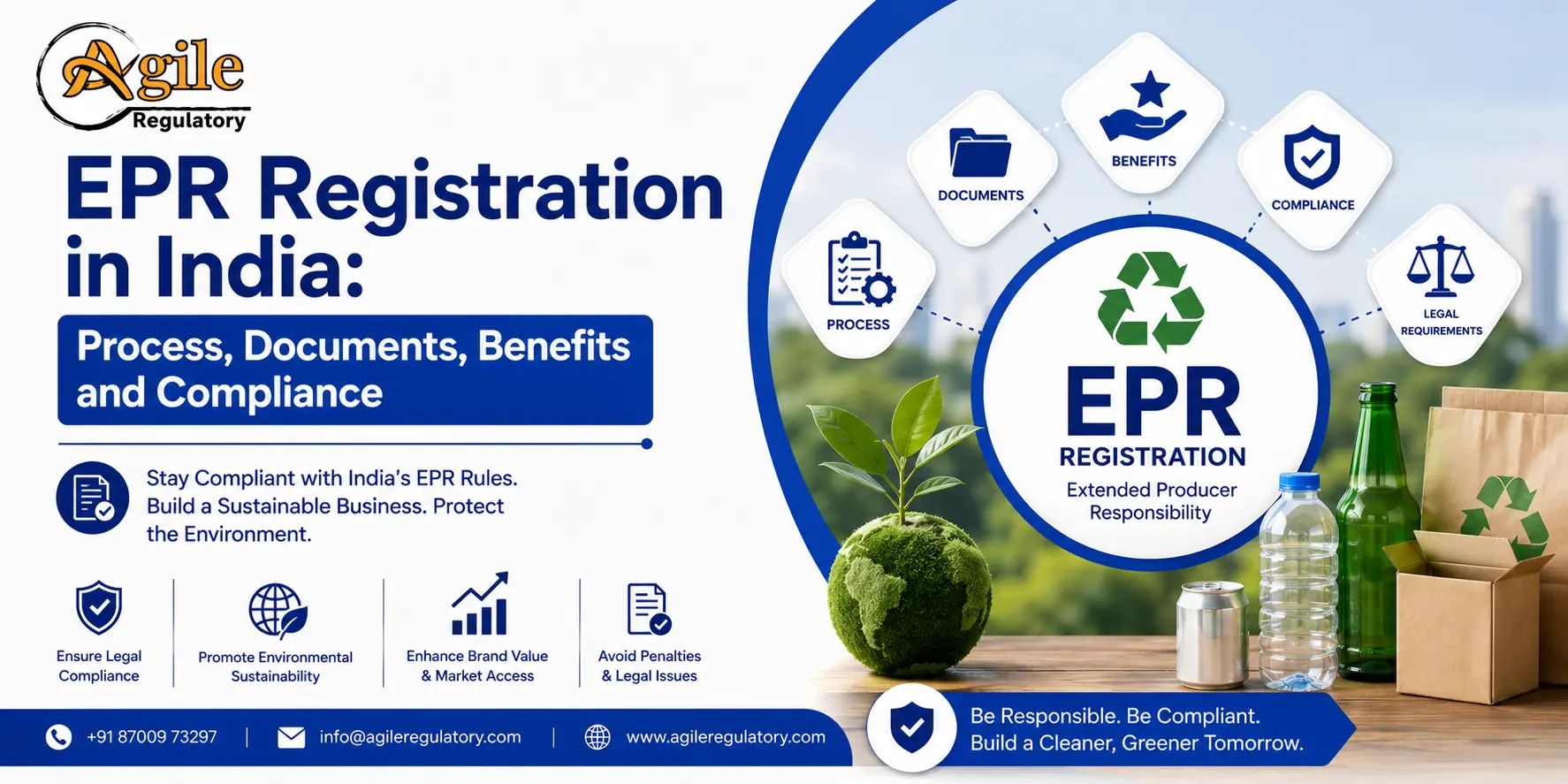
The Indian government has made it easier to deal with waste through the Extended Producer Responsibility (EPR) framework. This is important because people are becoming more aware of environmental issues. Looking ahead to 2026 the rules for importers have become stricter. There is a focus on responsibility and the circular economy. Any business that wants to bring goods into India must now get an EPR Certificate. This is a legal requirement for customs clearance and for the business to be able to operate legally
This guide gives you a complete plan for how to register for the EPR in 2026 making sure that your business follows all the rules set by the Central Pollution Control Board (CPCB)
Getting to know the EPR Framework for 2026.
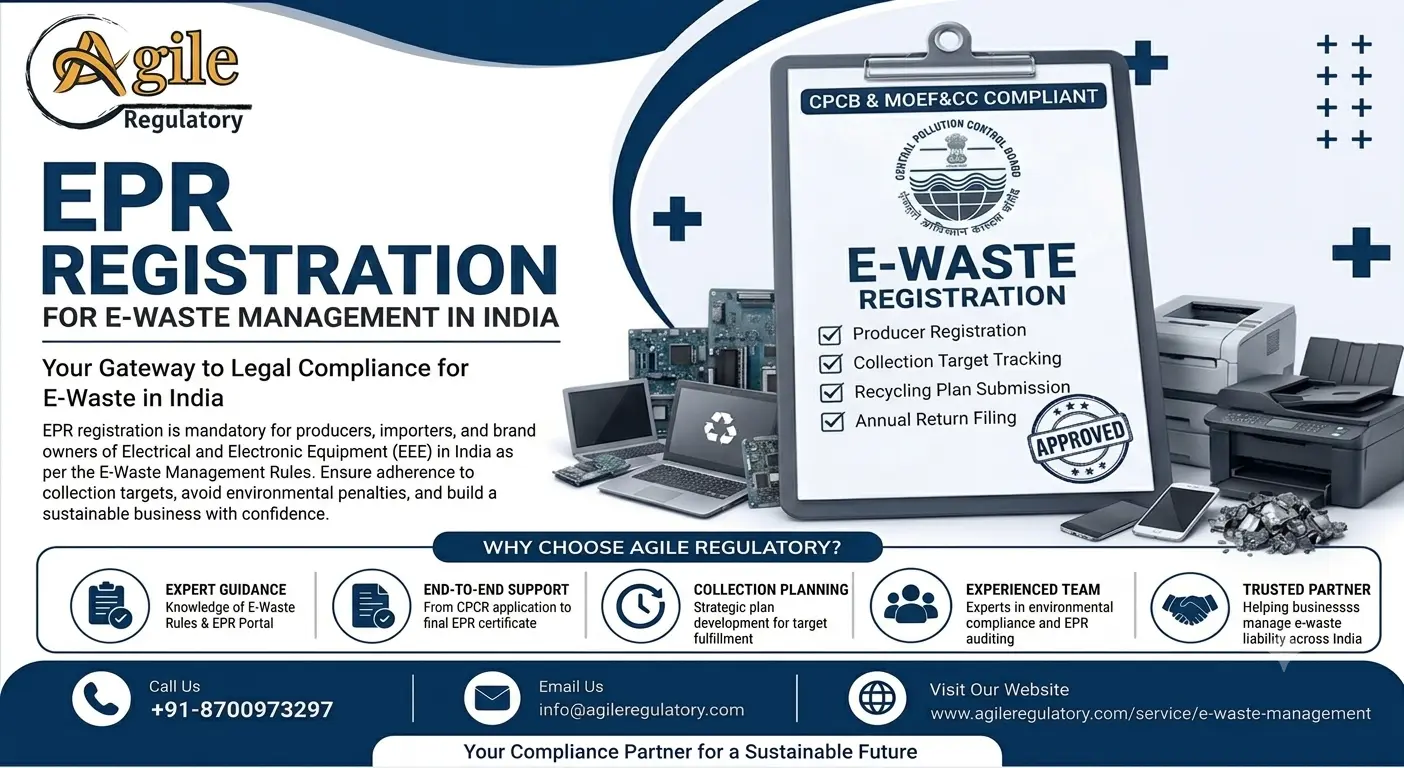
The government used to be in charge of managing post-consumer waste but now producers and importers are. This is called Extended Producer Responsibility (EPR). By 2026 this framework has grown to include more types of materials, such as plastic packaging, electronic waste (e-waste), battery waste and even used oil or waste tires
The main goal is to make sure that products that are no longer useful are picked up and recycled in a way that is good for the environment. Importers are the main target because they bring new materials into the Indian market that eventually end up in the country's trash
Who Needs an EPR Certificate?
Before their shipments can reach Indian ports in 2026 the following groups must get an EPR authorization:
- Plastic Importers: Any business that brings in goods that are packaged in plastic or made from raw plastic resins.
- Electronics Importers: Companies that bring in consumer electronics, IT equipment or telecommunications equipment
- Battery Importers: Businesses that bring in lead-acid, lithium-ion or any other type of primary battery
- Brand Owners: International brands that sell their goods in India through a number of different channels
Get Free Consultation!
Things You Need to Do Before Applying
It is very important to have all of your paperwork in order before you start the application on the centralized CPCB portal. Compared to previous years, the updates for 2026 need more detailed data.
Important paperwork:
- Company credentials include a PAN card, a GST certificate, and a certificate of incorporation (CIN).
- Import-Export Code (IEC): The "Importer" category must have a valid IEC from the DGFT.
- Proof of Authorized Signatory: A letter or resolution from the board naming the person in charge who make sure the rules are followed
- Quantified Waste Data: Detailed estimates of the total weight of materials (like plastic and e-waste) that are to be brought into the country in the next fiscal year
- HSN Codes: Correct Harmonized System of Nomenclature codes for all products that come into the country
A Guide to Applying Step by Step
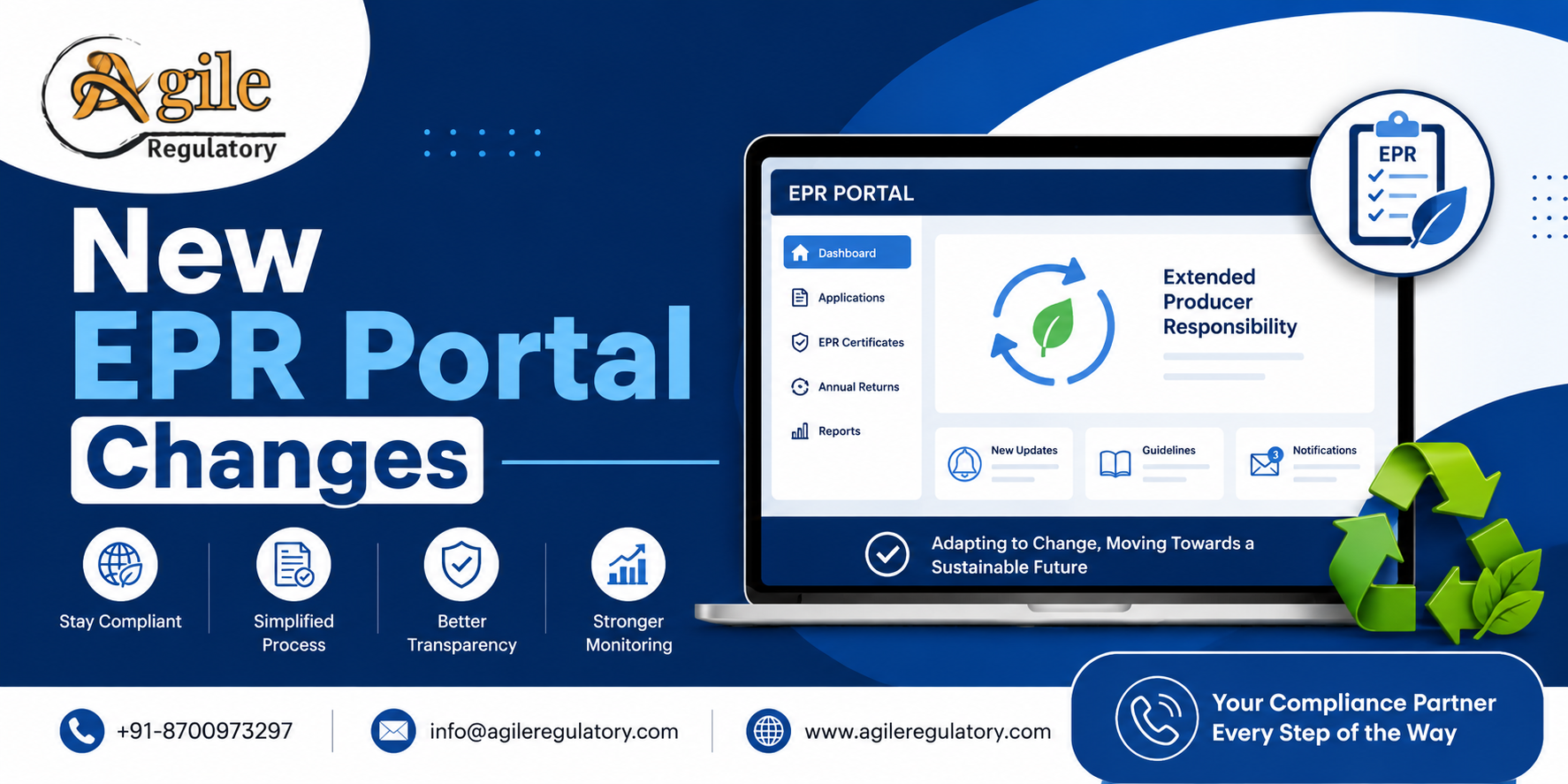
The entire application process is done online through the CPCB's Unified EPR Portal. To make sure your registration goes smoothly follow these steps:
1. Sign up for the portal and make a profile
Go to the official CPCB EPR portal and choose "Importer" from the list of options. You must make a profile with your company's basic information and then confirm the account by entering a one-time password (OTP)
2. Entering Data in Detail
You need to fill out the application form after you log in. This means putting your trash into groups. For example if you are bringing in plastic you need to say what kind it is (Rigid, Flexible, Multi-layered or Compostable)
3. Uploading Support Documents
Upload PDF copies of the documents listed in the requirements section that are high resolution
4. Paying Fees
The amount of waste you handle each year (in tons) usually determines the registration fee. Once you enter the amounts you want to import
5. Checking and Issuing
Your application will be verified by either the CPCB or the State Pollution Control Board (SPCB)
Duties After Registration
Getting the certificate is just the first step. Importers must keep doing these to stay in compliance in 2026:
- Recycling Goals: The government sets yearly recycling goals for each type of product that you must meet.
- EPR Credit Fulfillment: Importers often reach their goals by buying "EPR Credits" from recyclers who are registered. You need to write down this transaction on the portal
- Annual Returns: You must file annual returns by June 30th of each year. These returns must include the total amount of imports and the recycling obligations that were met in the previous financial year
- Quarterly Reporting: Starting in 2026 some categories may need quarterly data updates so that waste management can be monitored in real time
Final Words
To get around the EPR landscape in 2026 you need to take the initiative and have a good understanding of the digital compliance ecosystem. Getting your EPR Certificate early not only keeps you out of trouble with the law and saves you money but it also shows that your brand is a responsible part of India's journey toward a sustainable future. Get in touch with with Agile Regulatory today for expert help today.

About the Author
View ProfileNishi Chawla
Content Writer & Compliance Specialist
Nishi is an expert content writer with expertise in Business Legal Compliances, Certifications, and Registrations — BIS, EPR, Medical Devices, Cosmetics, Drugs, and Import Export. She holds a B.Com from the University of Delhi and has been writing industry content since 2019.