How to Get EPR Credits from Authorized Recyclers/Dismantlers for Electronic Waste
Page Contents (12)
Introduction
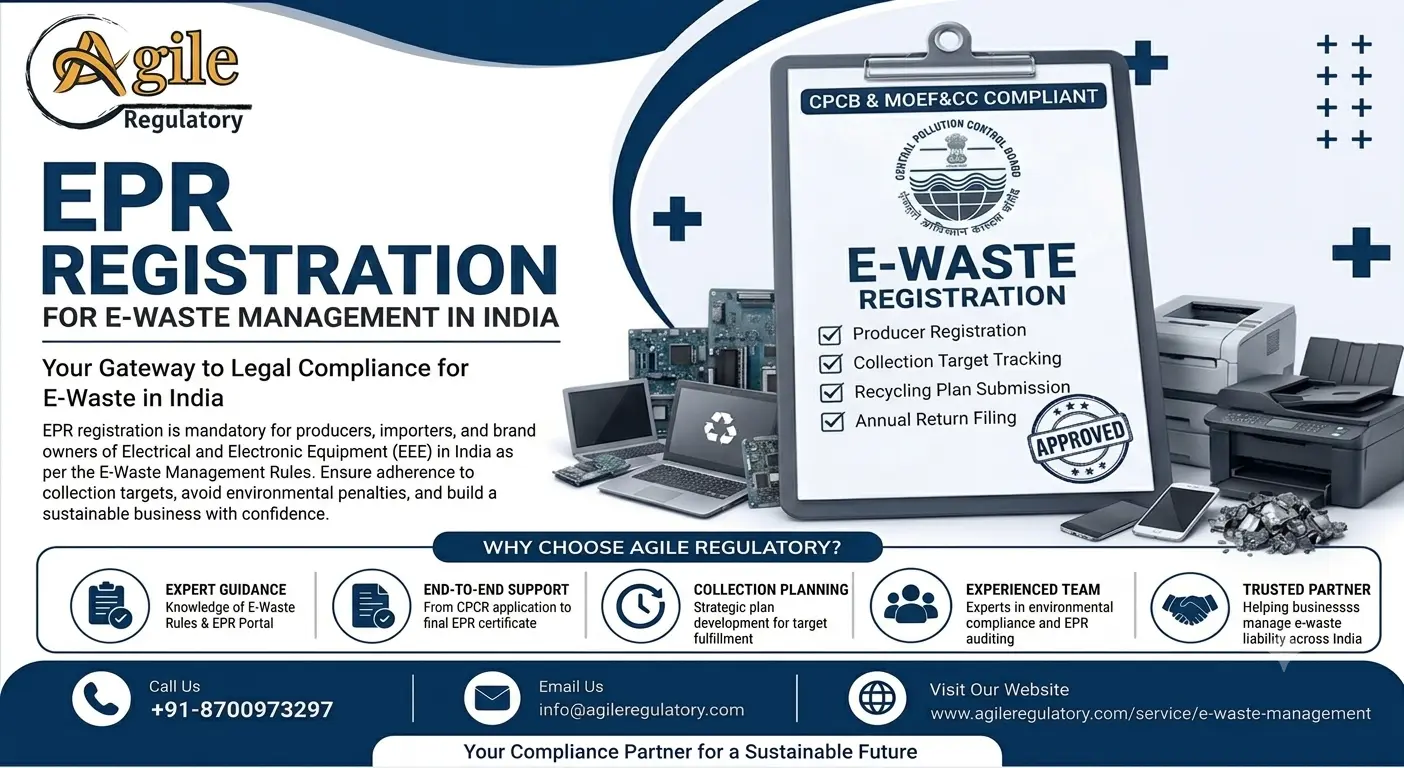
With the rapid growth of electronic consumption, managing electronic waste (e-waste) has become a major environmental challenge. To address this, India has implemented the concept of Extended Producer Responsibility (EPR) under the E-Waste Management Rules.
EPR makes producers responsible for the collection and recycling of e-waste generated from their products. One of the key mechanisms to ensure compliance is through EPR credits, which are obtained from authorized recyclers and dismantlers.
What Are EPR Credits?
EPR credits are certificates generated by authorized recyclers when they process a specific quantity of e-waste. These credits act as proof that recycling obligations have been fulfilled.
In simple terms:
???? Recyclers generate credits → Producers purchase or obtain them → Compliance is achieved
How to Get EPR Credits from Authorized Plastic Waste Processor (PWP)
Why Are EPR Credits Important?
- Ensure legal compliance with government regulations
- Help meet annual recycling targets
- Promote environmentally responsible waste management
- Reduce the burden of direct waste handling for producers
Without EPR credits, producers may face penalties or restrictions.
Get Free Consultation!
Who Is Involved in the Process?
The EPR ecosystem includes:
- Producers (Manufacturers, importers, and Brand Owners)
- Authorized Recyclers
- Authorized Dismantlers
- Central Pollution Control Board (CPCB)
- Producer Responsibility Organizations (PROs)
Each stakeholder plays a crucial role in ensuring proper e-waste management.
Step-by-Step Process to Get EPR Credits
1. Obtain EPR registration.
Before anything else, producers must register under EPR through the CPCB portal.
2. Identify Authorized Recyclers/Dismantlers
Choose recyclers that are officially authorized by regulatory authorities. This ensures that credits generated are valid.
✔ Always verify credentials before partnering.
3. Enter into an Agreement
Sign a formal agreement with the recycler or dismantler. This includes:
- Quantity of e-waste to be processed
- Pricing of EPR credits
- Compliance responsibilities
4. Channelize E-Waste
E-waste must be collected and sent to the authorized recycler through proper channels.
This step ensures traceability and transparency.
5. Recycling and Processing
The recycler processes the e-waste using environmentally sound methods.
After successful recycling, they generate EPR credits based on the quantity processed.
6. Generation of EPR Credits
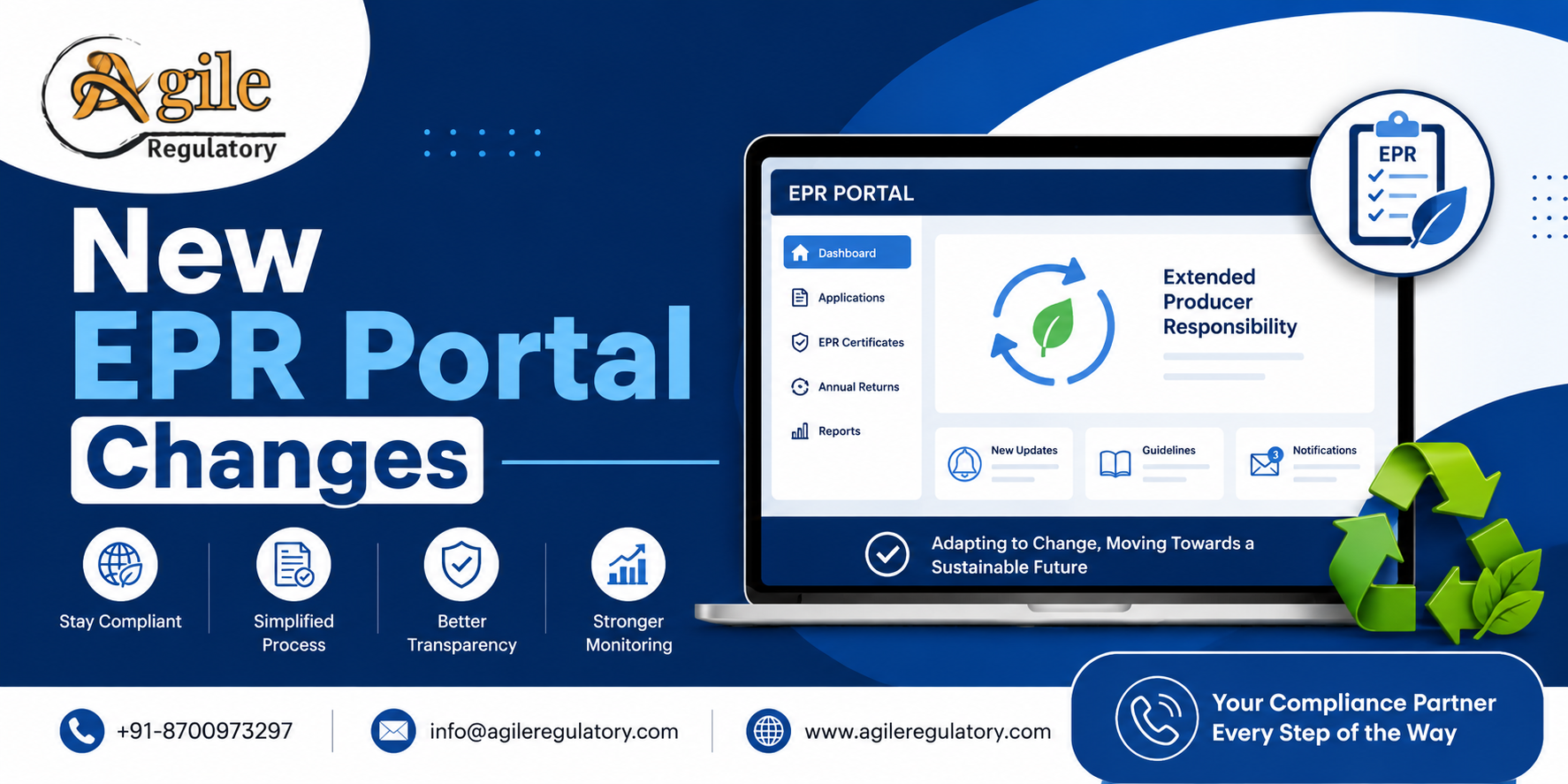
Credits are created digitally on the CPCB portal once recycling is verified.
7. Transfer of Credits
The recycler transfers EPR credits to the producer’s account via the CPCB system.
This completes the compliance cycle.
Documentation Required
To obtain EPR credits smoothly, maintain the following:
- EPR Authorization Certificate
- Agreements with recyclers
- Recycling certificates/manifests
- Annual compliance reports
Proper documentation ensures smooth audits and avoids legal issues.
How the EPR Credit System Works
- Credits are quantified based on weight (kg/tonnes) of e-waste recycled
- They are digitally tracked through CPCB systems
- Producers can purchase or exchange credits
- Records must be maintained for audits
Benefits of Using Authorized Recyclers
- Assured legal compliance
- Environmentally safe recycling practices
- Transparent documentation
- Reduced operational burden on producers
Challenges in Getting EPR Credits
While the system is effective, businesses may face the following:
- Limited availability of authorized recyclers
- Fluctuating credit prices
- Complex documentation requirements
- Frequent regulatory updates
Best Practices for Businesses
To simplify the process:
- Partner only with verified recyclers
- Maintain digital records of transactions
- Plan credit procurement in advance
- Conduct periodic compliance checks
- Stay updated with regulatory changes
Recent Trends in EPR Compliance
- Shift towards digital EPR credit systems
- Increased recycling targets by authorities
- Use of technology for tracking e-waste flow
- Growing role of PROs in managing compliance
Conclusion
EPR credits play a crucial role in ensuring responsible e-waste management in India. By working with authorized recyclers and following the proper process, producers can meet their compliance targets efficiently.
Beyond compliance, adopting EPR practices contributes to sustainability, resource conservation, and environmental protection.

About the Author
View ProfileDivya Saxena
Content Writer
Divya has expertise across Business, Legal, and Compliance writing. She holds a BCA from CCS University and brings over five years of experience in the legal-compliance sector.