EPR Certificate Renewal in India 2026 | Process, Documents & Fees Explained
Page Contents (8)
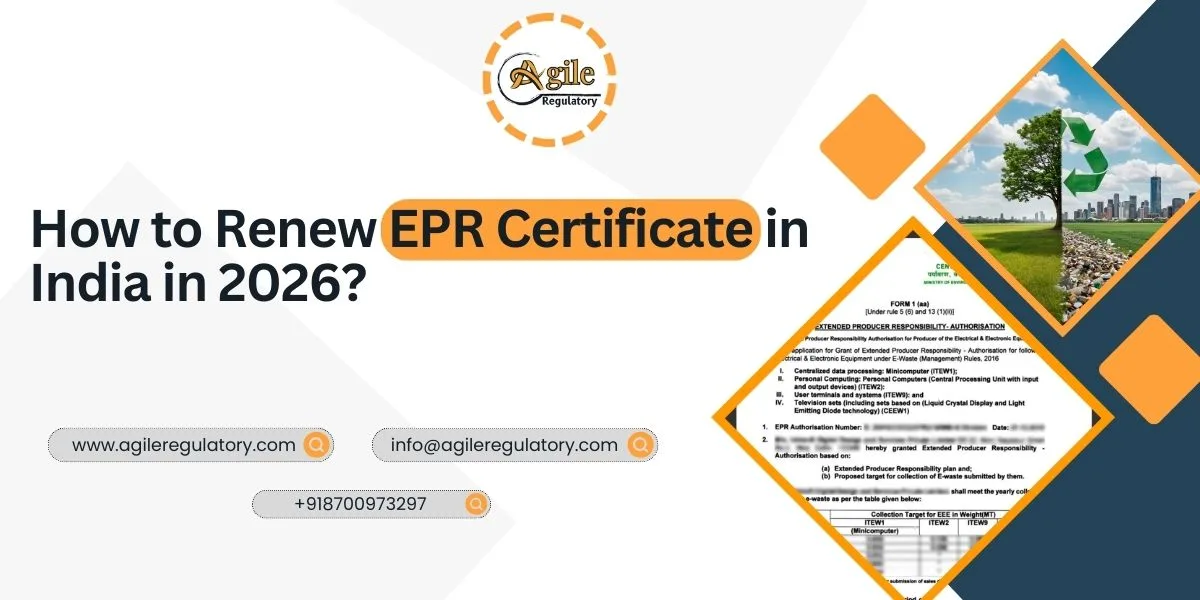
If your business deals with electronics, plastic packaging, batteries, or tyres in India, you’ve probably heard about the Extended Producer Responsibility (EPR) Certificate. But getting the certificate is only the first step. To stay compliant with environmental regulations, companies must renew their EPR registration before it expires.
Many businesses get confused about the renewal timeline, required documents, and government process. So let’s walk through the EPR certificate renewal process in India in 2026 in a simple and conversational way.
What is an EPR Certificate?
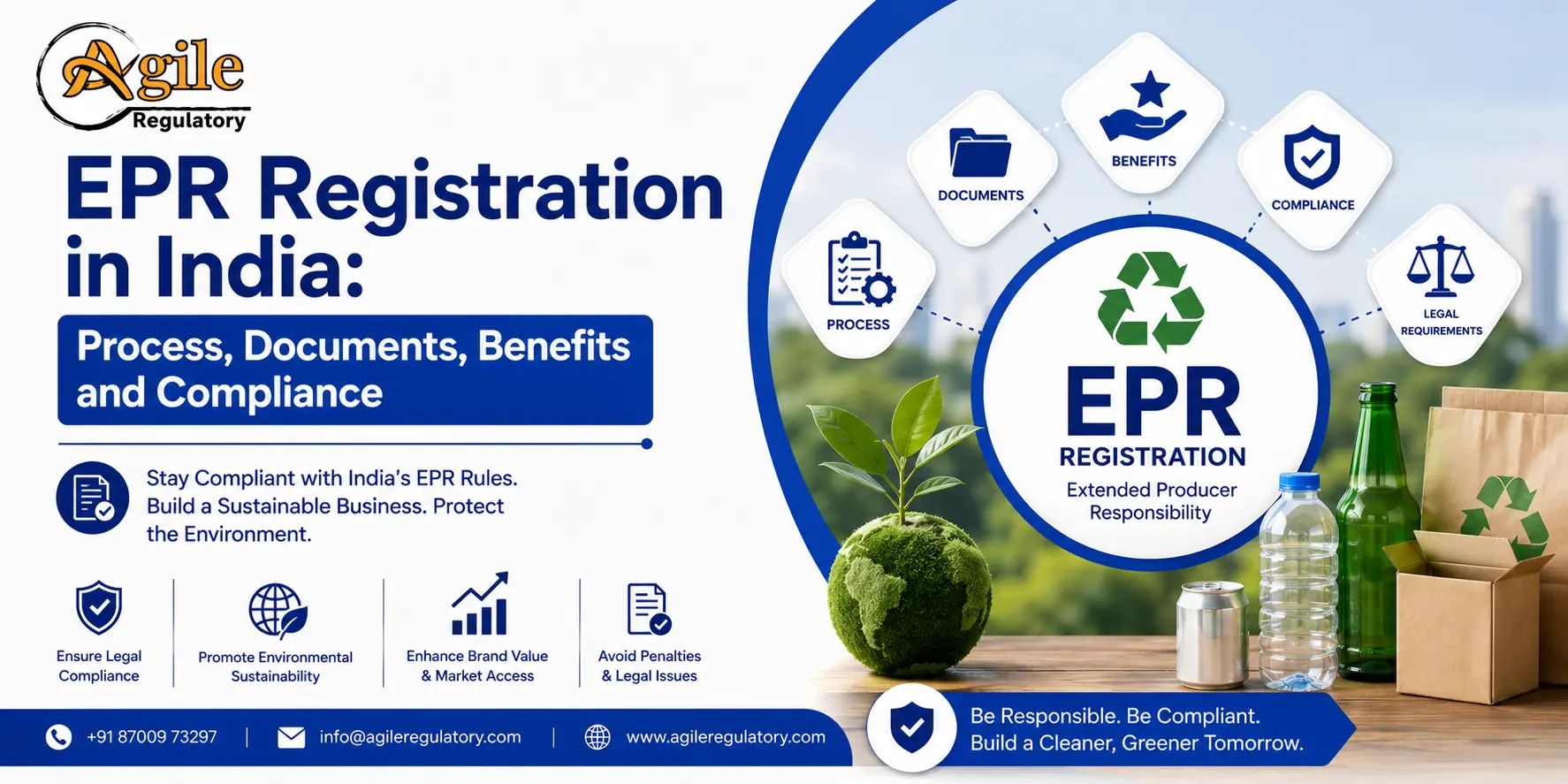
Extended Producer Responsibility (EPR) is an environmental policy introduced by the Government of India that makes manufacturers, importers, and brand owners responsible for managing the waste generated by their products. This applies to several waste categories such as e-waste, plastic waste, batteries, and tyres.
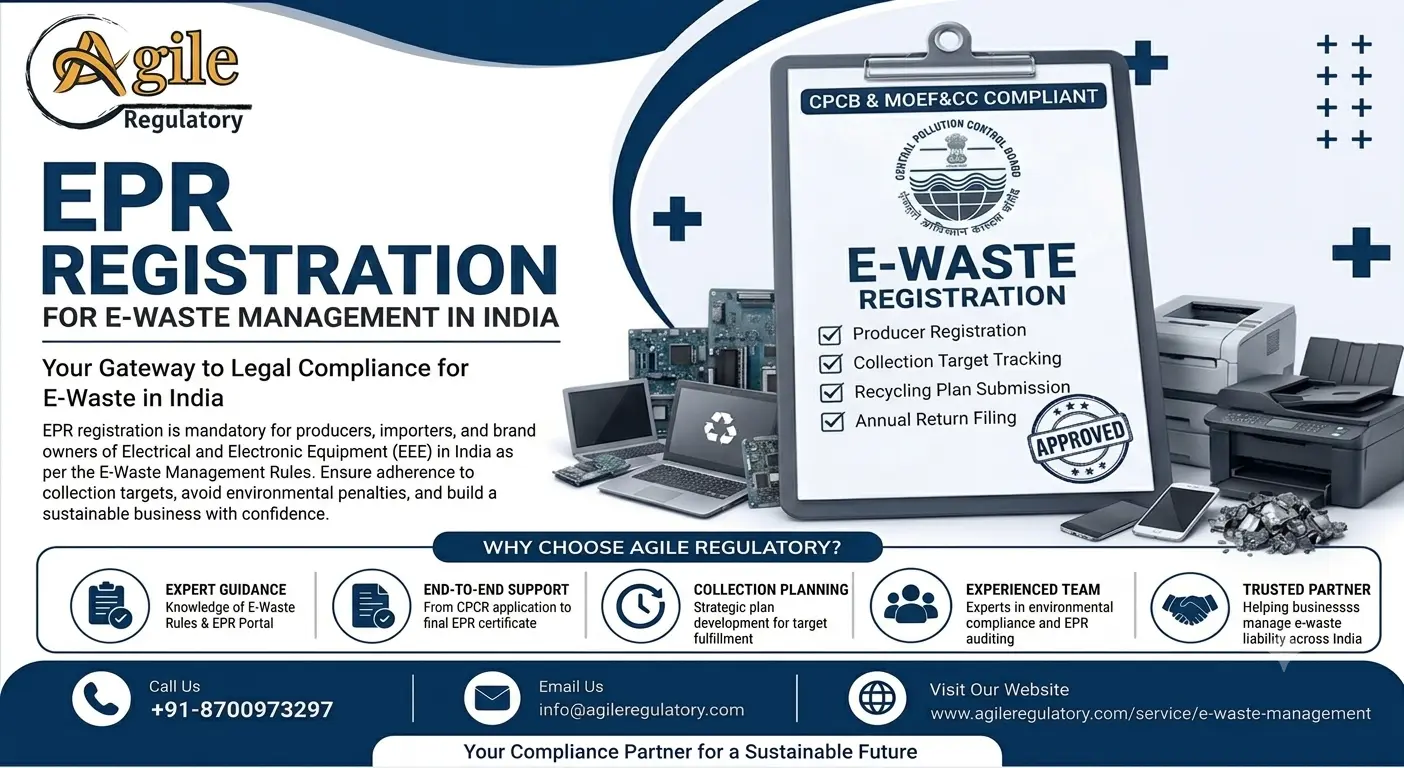
Under the E-Waste (Management) Rules, 2022, businesses dealing with electrical and electronic equipment must register on the Central Pollution Control Board (CPCB) portal and obtain EPR authorization. This registration allows companies to legally manufacture, import, or sell electronic products in India.
Why EPR Certificate Renewal is Important
Think of EPR renewal as a compliance health check for your company.
Renewing your EPR certificate ensures that:
- Your company remains legally authorized to operate.
- Your CPCB portal account stays active.
- Your recycling and waste management records remain valid.
- You avoid penalties or suspension of operations.
Authorities monitor EPR registrations and renewals through the CPCB portal, so businesses must keep their registrations updated to continue manufacturing or selling products without disruption.
What are the most popular E-waste disposal Methods in India?
Get Free Consultation!
When Should You Apply for EPR Renewal?
Timing is extremely important when renewing your EPR certificate.
Most experts recommend applying 60 to 90 days before the certificate expires. This gives enough time for authorities to review your documents and request corrections if necessary.
Some compliance professionals even suggest applying up to 120 days before expiration to avoid last-minute delays.
So if your EPR certificate is nearing its expiry date, don’t wait until the last week—start the renewal process early.
Documents Required for EPR Certificate Renewal
During the renewal process, businesses need to submit updated documents to prove that they are complying with waste management regulations.
Commonly required documents include:
- Company PAN, GST registration, and incorporation certificate
- Details of products sold or imported
- CA-certified sales data for recent years
- Agreement with authorized recyclers or refurbishers
- Records of e-waste collection and recycling
- Compliance certificate from State Pollution Control Board
- Updated EPR action plan
Authorities may also require proof that hazardous waste is being properly handled and disposed of according to environmental standards.
Keeping accurate records throughout the year makes the renewal process much smoother.
Step-by-Step Process to Renew EPR Certificate
Now let’s look at the practical steps involved in renewing an EPR certificate in India.
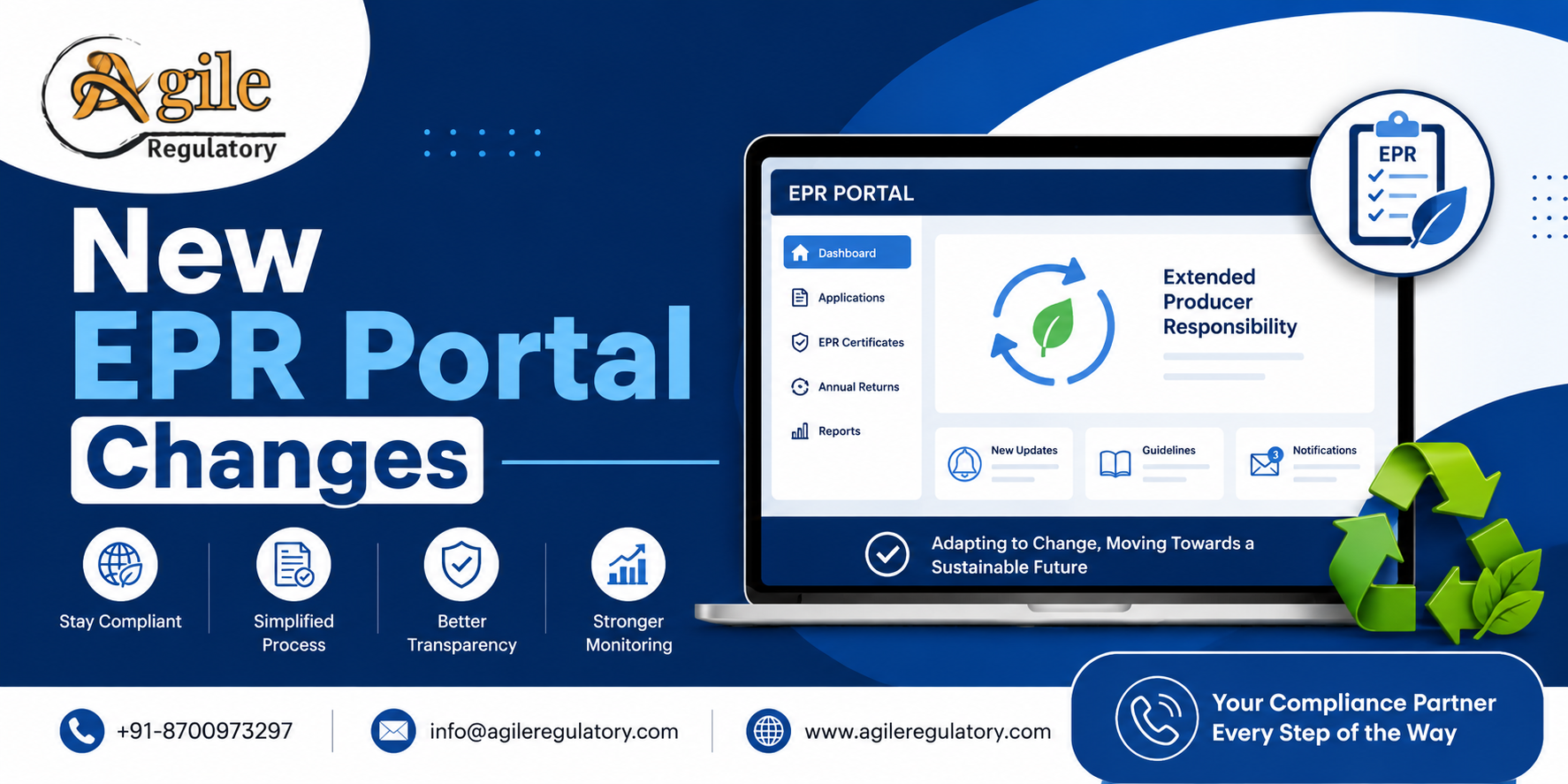
1. Login to the CPCB EPR Portal
Visit the official CPCB EPR portal and log in using your registered credentials.
2. Select Renewal Option
Navigate to your existing EPR registration and choose the renewal application option.
3. Update Company Information
Review and update your company details, product categories, and sales data.
4. Upload Compliance Documents
Upload required documents such as recycling agreements, waste records, and compliance certificates.
5. Pay Government Fees
Pay the applicable government renewal fee through the portal.
6. Submit the Application
Once everything is verified, submit the application for review by CPCB officials.
If the documents are complete and correct, the approval process usually takes a few weeks to about a month.
What are the most effective ways to dispose of battery waste in India?
Validity of EPR Certificate in India
In most cases, EPR registration is issued with a validity of up to five years, depending on the category and rules under which it is granted. After the validity period ends, businesses must apply for renewal through the CPCB EPR portal.
If the renewal is not completed on time, the registration may lapse and companies may face compliance issues or environmental compensation penalties.
Tips to Ensure Smooth EPR Renewal
Here are a few practical tips that many businesses follow:
- Maintain accurate waste management records
- Track your EPR expiry date well in advance
- Work with authorized recyclers
- File annual returns and reports on time
- Prepare documents early before the renewal deadline
These steps help avoid delays and keep your compliance process stress-free.
Conclusion
Renewing an EPR certificate in India may sound complicated at first, but with the right preparation it becomes a straightforward process. By applying on time, maintaining proper documentation, and following the guidelines issued by the Central Pollution Control Board, businesses can easily keep their EPR registration active.
If your company needs assistance with EPR certificate renewal, documentation, or compliance management, working with experienced consultants can make the process much easier. Agile Regulatory helps businesses handle end-to-end EPR compliance—from registration and documentation to renewal and annual filings—ensuring your company stays fully compliant with environmental regulations while focusing on business growth.

About the Author
View ProfileVanshika Mathur
Content Writer
Vanshika is a skilled Digital Marketing Executive at Agile Regulatory, with over 5 years of experience in legal compliance and a unique blend of marketing expertise.