Food Products ISI Mark Certification: Process, Documents & Standards
Page Contents (8)
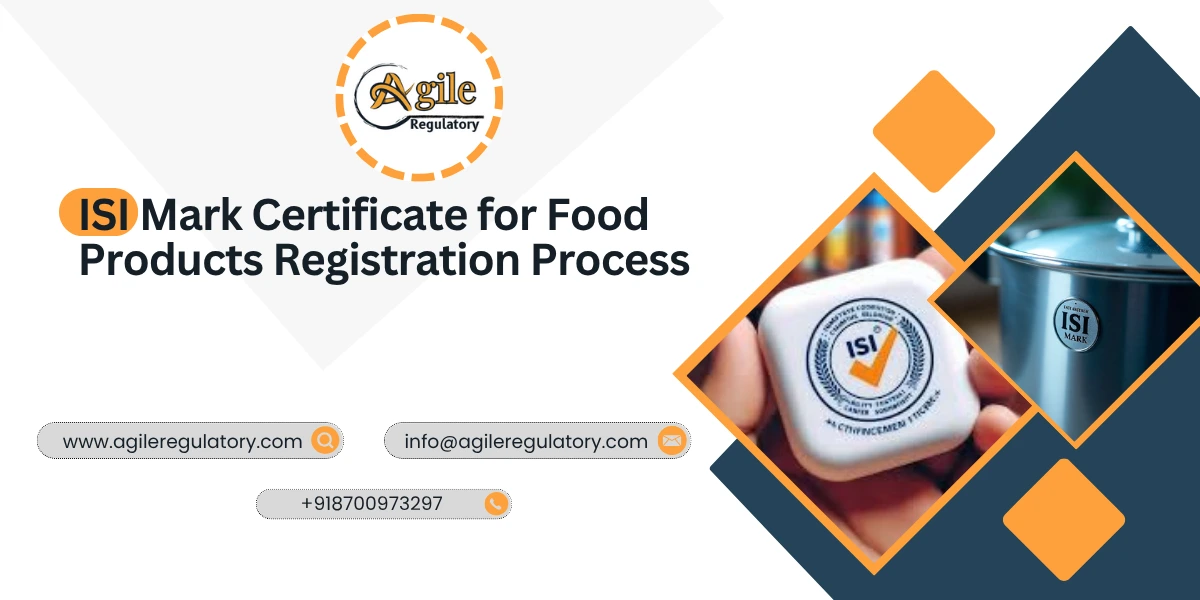
The ISI mark on a food product tells buyers one thing clearly. The product is safe to eat and meets Indian quality standards. It means the item was made under strict rules, tested in a lab and approved by the Bureau of Indian Standards (BIS). In 2025 more food items than ever require this mark by law
If you sell or make food in India you must know which products need the ISI mark, how to apply and what it takes to stay compliant
Why ISI Mark Matters in the Food Industry
Food is an individual matter. The way individuals consume food will either improve or worsen their health and life. It is against this reason that India has strict regulations concerning food safety. The ISI mark assures a product has been:
- Made under standard factory conditions
- Tested in BIS-recognized labs
- Labeled as per BIS guidelines
- Verified for chemical and microbiological safety
For consumers, the ISI mark builds trust. For businesses, it opens markets, especially government contracts and major retailers.
Which Food Products Need ISI Mark in 2025?
Not every food product needs an ISI mark. But many essential and sensitive items do. These include:
- Packaged drinking water
- Mineral water
- Milk powder
- Baby food
- Condensed milk
- Hydrogenated oils
- Biscuits (in some categories)
- Wheat flour (atta)
- Edible ice
The Ministry of Consumer Affairs updates the list every year. If a product is notified under a Quality Control Order (QCO), BIS certification becomes mandatory.
Get Free Consultation!
Who Needs to Get the ISI Mark?
Only manufacturers use the ISI mark not traders or distributors. That means:
- Food factories producing finished products
- Co-packers making goods under another brand
- Importers (must apply through Indian representative offices)
Key Benefits of Getting ISI Certified
For food manufacturers BIS certification under the ISI mark brings more than legal approval. It creates real value:
- Legal entry into regulated markets
- Access to institutional buyers (like railways, hospitals)
- Higher consumer trust
- Better chances in government tenders
- Reduced rejection by retailers
- Lower risk of food recalls or bans
In short, the ISI mark is your quality passport in the Indian food market.
What Indian Standards Apply to Food?
Every product under the ISI mark follows a specific Indian Standard (IS). Below are a few examples:
| Product | Standard Code |
|---|---|
| Packaged Drinking Water | IS 14543 |
| Mineral Water | IS 13428 |
| Milk Powder | IS 1165 |
| Condensed Milk | IS 1166 |
| Hydrogenated Oils | IS 2798 |
| Baby Food | IS 11536 |
Each standard covers raw material specs, microbial limits, shelf life, testing methods and packaging rules
The BIS Certification Process for Food Products
Getting the ISI mark is a detailed process. But if you prepare well it becomes easier. Here’s a step-by-step guide:
1. Identify the Relevant Standard
Check if your product is covered by a QCO and find the Indian Standard (IS code) that applies.
2. Set Up Quality Infrastructure
Install the machinery, testing lab, and trained staff required to match BIS standards. The factory must be fully operational before applying.
3. Apply Online at ManakOnline Portal
Upload your documents, pay the application fee, and select your product category.
4. Factory Inspection
- BIS officers visit your unit. They check:
- Raw material handling
- Hygiene and food safety controls
- In-house testing capacity
- Process flow from input to packaging
- Storage and transport systems
5. Sample Collection & Testing
During the audit, samples are sealed and sent to BIS labs. Results must match the limits within the relevant standard.
6. Grant of License
If both factory and lab results are satisfactory, BIS grants you a license. Print the ISI mark with your license number on your product packaging.
7. Post-Licensing Surveillance
Every year, BIS conducts surprise audits and picks market samples to ensure ongoing compliance.
What is ISI Mark Certification?
Documents Required for ISI Certification
Here’s what you need to apply for ISI mark certification for food:
- Company registration certificate
- Factory license
- Pollution NOC
- FSSAI license
- Plant layout and process flow diagram
- List of equipment and machinery
- List of lab equipment
- Test reports (if any)
- Label sample with ISI logo
- Quality control plan
What Does ISI Certification Cost?
The total cost depends on your product, factory size and number of SKUs. Here’s a ballpark range:
| Expense | Estimated Cost (INR) |
|---|---|
| Application Fee | ₹1,000 – ₹5,000 |
| Inspection Fee | ₹10,000 – ₹20,000 |
| Lab Testing Fee | ₹15,000 – ₹40,000 |
| Annual Marking Fee | ₹30,000 – ₹70,000 |
| Renewal Fee (yearly) | ₹10,000 – ₹20,000 |
Some businesses also hire consultants to handle documentation which adds ₹25,000–₹50,000
How Long Is the License Valid?
The initial ISI license is valid for 1 year. You can renew it for up to 5 years based on:
- Continued compliance
- Clean surveillance records
- Updated product testing
You must apply for renewal at least 30 days before expiry.
Agile Regulatory Can Help You Get ISI Certified
Getting the ISI mark for food products may seem complex.
At Agile Regulatory, we help manufacturers:
- Identify the correct IS code
- Set up internal testing systems
- Complete and file documentation
- Prepare for factory inspections
- Coordinate with BIS labs
- Stay audit-ready throughout the year
Whether you're a startup or a large food brand our team ensures fast, accurate and reliable BIS certification support
Let Agile Regulatory guide your business to BIS compliance because safe food starts with certified quality

About the Author
View ProfileNishi Chawla
Content Writer & Compliance Specialist
Nishi is an expert content writer with expertise in Business Legal Compliances, Certifications, and Registrations — BIS, EPR, Medical Devices, Cosmetics, Drugs, and Import Export. She holds a B.Com from the University of Delhi and has been writing industry content since 2019.